

Alaska Appraisal Resources
How Appraisers Evaluate Remote Alaskan Properties
Access, utilities, travel, market data, property characteristics, and geographic competency all matter when the property is far from a typical residential market
Remote Alaska properties can present assignment challenges that are rarely encountered in ordinary suburban appraisal work. A credible appraisal requires more than finding an appraiser willing to travel—it requires careful planning and an appraiser who understands the market, property, access, and available evidence.
This article explains how appraisers evaluate remote Alaska properties, what makes these assignments different, why geographic competency matters, and what clients should provide before ordering.
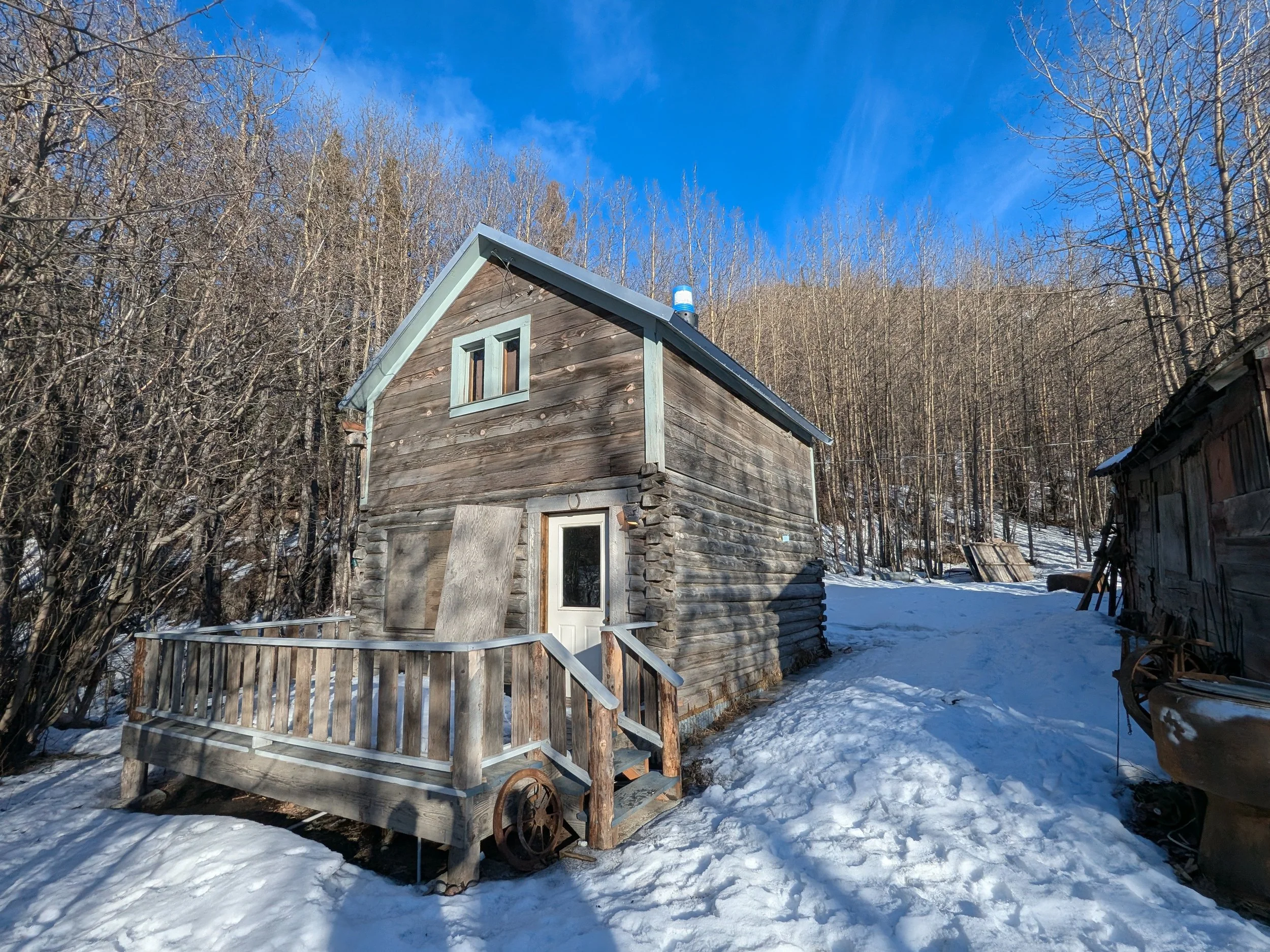
Remote residential property in Alaska
Remote Does Not Have One Definition
Distance Is Only One Part of the Assignment
A property does not need to be completely off-grid or accessible only by aircraft to present remote appraisal challenges.
Some properties are located on the road system but remain hours from the nearest population center. Others may be reached by seasonal roads, trails, snowmachines, boats, ferries, or small aircraft. A property may also be difficult to appraise because the surrounding market has few sales, limited public data, or unusual improvements.
The practical question is whether the appraiser can access the property, understand the market, obtain enough credible information, and complete the assignment within a realistic fee and timeline.
Assignment Challenges
What Makes Remote Alaska Appraisals Different?
The appraisal must reflect the same factors that buyers and sellers consider in the local market. Those factors may be very different from the considerations affecting an urban or suburban residence.
Reaching the Property
Road conditions, ferry schedules, aircraft, boats, snowmachines, trails, seasonal access, and weather may affect inspection feasibility, timing, and cost.
Off-Grid and Private Systems
Wells, septic systems, generators, solar power, water storage, fuel delivery, outhouses, and alternative heating may be typical in one market and unusual in another.
Limited Comparable Sales
Relevant sales may be older, farther away, physically different, privately marketed, or located in competing areas with similar access and utility characteristics.
Property-Specific Improvements
Cabins, log homes, owner-built improvements, additions, detached structures, partial construction, and locally adapted building methods may require specialized experience.
Site and Location Influence
Waterfront, acreage, topography, soils, wetlands, timber, views, river access, hunting and recreation, and development potential may influence value.
Weather and Seasonal Conditions
Inspection access and market activity may change significantly by season. Some properties cannot be inspected safely or practically at all times of year.
Geographic Competency
The Nearest Appraiser Is Not Always the Right Appraiser
Geographic competency involves more than physical proximity to the property.
The appraiser should understand how buyers view the location, what utility and access arrangements are typical, where competing properties are found, how local transactions are marketed, and which differences influence price.
Buyer Behavior
The appraiser should understand why buyers choose the area and which property characteristics influence demand.
Similar Assignments
Experience with remote access, rural acreage, cabins, waterfront, off-grid systems, or unusual construction may be necessary.
Reliable Market Evidence
The appraiser should know where relevant sales, listings, public records, local contacts, and other supporting information can be found.
Travel and Timing
The appraiser must be able to reach the property, complete the required scope, and deliver the report within a realistic timeline.
Comparable Sales
Relevant Comparables May Not Be Nearby
Geographic distance alone does not determine whether a sale is comparable.
A nearby property with public utilities, year-round paved access, and a conventional home may be less comparable than a more distant property with similar access, utility systems, land characteristics, construction, and buyer appeal.
Remote appraisals may require older sales, greater search distances, broader market research, and more explanation than typical residential assignments.
Before the Assignment Begins
Information Clients Should Provide
Remote assignment feasibility, fee, and timing are easier to evaluate when the initial order includes complete and accurate information.
Helpful Order Information
- Property address, legal description, or coordinates
- Detailed directions to the property
- Road, trail, ferry, air, boat, or snowmachine access
- Seasonal access limitations
- Property contact and inspection arrangements
- Known utility systems
- Building plans, surveys, permits, or specifications
- Prior appraisals or relevant property documents
- Intended use and intended users
- Required effective date and requested timeline
AREA MC Assignment Review
How Remote Assignments Move Forward
Remote properties are reviewed individually before an appraiser is selected or a completion timeline is confirmed.
Property Review
AREA MC reviews the location, property type, intended use, access, effective date, known improvements, and available documents.
Feasibility Review
Travel, weather, transportation, inspection requirements, data availability, fee, and likely timing are considered.
Appraiser Selection
An appraiser is considered based on geographic competency, property experience, qualifications, travel capability, and availability.
Assignment Coordination
Access, documents, inspection plans, communication, timing, report delivery, and appropriate follow-up are coordinated securely.
Remote Alaska Appraisal Questions
Frequently Asked Questions
Can every remote Alaska property be appraised?
Not necessarily. Feasibility depends on access, safety, transportation, weather, property information, appraiser competency, market data, assignment scope, timing, and cost.
Why do remote appraisals often cost more?
Additional fees may reflect extended travel, airfare, boats, ferries, lodging, vehicle expenses, weather contingencies, specialized experience, broader research, and additional assignment time.
Why might the appraiser use distant comparable sales?
Relevant sales may not exist nearby. A more distant property with similar access, utilities, improvements, site characteristics, and buyer appeal may provide better market evidence.
Can a remote appraisal be completed without an inspection?
That depends on the client’s intended use, assignment conditions, available data, applicable requirements, and whether a credible result can be developed under the permitted scope of work.
Can AREA MC guarantee a fee or due date before reviewing the property?
No. Remote assignments should be reviewed before fee and timing are confirmed because access, travel, property complexity, appraiser availability, and market-data limitations may materially affect the assignment.
Remote and Rural Alaska Assignments
Need an Appraisal for a Remote Alaska Property?
Contact AREA Management Company before ordering when the property involves unusual access, extended travel, private or off-grid utilities, limited market data, waterfront, acreage, seasonal conditions, or other assignment complexity.